Taiwan's First Anti-Slip Tape Manufacturer | Wenly's 50 Years of Expertise | Multi-Material Anti-Slip Series

Wenly specializes in the manufacturing of anti-slip safety products, with 50 years of accumulated local manufacturing experience. We offer comprehensive safety design building materials such as professional stair nosing, slope anti-slip solutions, and Silicon Carbide edging nosing. Our products are used in MRT, Taiwan Railways, High-Speed Rail, major hospitals, schools, and public projects, making us your most trusted supplier. With SGS inspection certification and strong production capacity, we excel in product research and development, design, manufacturing, and engineering implementation. We also provide wholesale and custom services to developers and construction companies.

Introduction to All Product Series

  • Carborundum Anti-Slip Stair Nosing

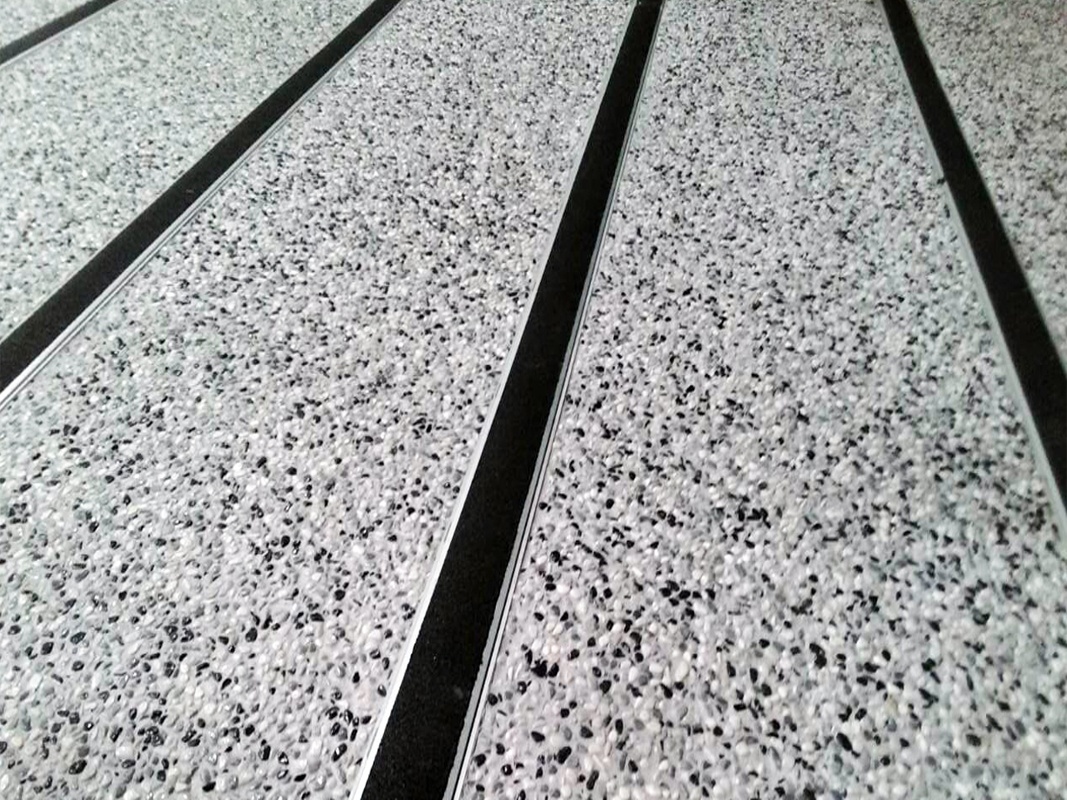
    SGS certified green building material, non-toxic, durable, and excellent anti-slip performance, maintaining effectiveness even on oily kitchen floors. Suitable for both indoor and outdoor use, providing slip resistance in oily or wet conditions.

  • Rubber Anti-Slip Stair Nosing

    Rubber treads can be replaced at any time, offering convenience and aesthetics. SGS and CNS certified for quality assurance. Suitable for indoor locations without oil or water.

  • Aluminum Anti-Slip Profiles & Nosing

    Special anti-slip pattern, durable, weather-resistant, stain-resistant. Suitable for indoor and outdoor non-oily locations.

Silicon Carbide stair nosing Technology

In modern building safety regulations, flooring anti-slip materials, especially those used outdoors, must overcome complex climatic and physical challenges. Silicon carbide stair nosing not only requires superior grip with an ASTM anti-slip coefficient greater than 1 but also needs to achieve excellent "directionless anti-slip" performance. It must maintain long-lasting friction resistance in harsh indoor and outdoor environments, whether dry, wet, or greasy. Furthermore, the chemical stability of materials is equally important. Top-tier anti-slip materials must meet physical standards for being safe and non-flammable, highly weather-resistant, heat-resistant, and non-aging. Simultaneously, they must strictly adhere to environmental green building material regulations, ensuring compliance with heavy metal testing and zero formaldehyde detection. This advanced material, combining ultimate physical protection with environmental friendliness, is the key foundation for the next generation of anti-slip safety.

rubber anti-slip strip Technology

The durability limit of stair anti-slip solutions depends on the substrate rigidity and the tread fitting process. Wenly's professional metal stair nosing base uses corrosion-resistant aluminum plates as the substrate, with enhanced anodizing treatment to significantly improve overall base durability and extend the service life. In the core base structure design, a precise "embedded and multi-slot locking" mechanical design ensures that the anti-shrinkage tread can tightly engage within the aluminum base, effectively preventing foreign objects from getting lodged, which could cause damage or detachment of the tread, thereby eliminating safety hazards. Furthermore, exclusive anti-slip patterns on the front edge of the stair tread further enhance the slip resistance safety of the stair edge. The stair nosing tread not only meets Class 1 fire-retardant standards, but its slip resistance and CNS abrasion test results far surpass industry benchmarks, offering robust safety support for high-frequency foot traffic with its superior overall anti-slip strip performance.

project portfolio

Creating a comprehensive safety line from base material to tread

Creating a comprehensive safety line from base material to tread

In the field of anti-slip engineering, true safety is never superficial; it stems from the perfect integration of substrate, stair tread, and manufacturing processes. To provide procurement and EHS managers with objective criteria for accurately assessing the true durability of anti-slip stair nosings, Wenly comprehensively deciphers the five core materials and design indicators behind our products.

1. Structural Base: High-load capacity aluminum alloy with "high film thickness" anodizing process

Wenly firmly rejects the use of inexpensive recycled or inferior aluminum. The base material is made from the highest strength extruded aluminum alloy in the industry, possessing extremely high compressive toughness, impervious to heavy loads in factories and high foot traffic. More importantly, we focus on the "anodizing film thickness," a critical factor determining the lifespan. We insist on using a very thick anodizing process, providing the aluminum alloy with a robust, invisible anti-corrosion armor. This not only effectively seals out moisture and resists chemical gas corrosion but also thoroughly resolves common issues found in commercially available products, such as poor durability, susceptibility to damage, and oxidation with discoloration.

2. Heavy-Duty Defense: Industrial-grade silicon carbide stair nosing

For heavy industry, chemical plants, or extreme outdoor weather conditions, we select coarse-grained Silicon Carbide (Carborundum) with high hardness. Its extremely hard surface properties can easily break through surface water, oil, and mud, providing pedestrians with "tenacious grip" extreme friction. Combined with Wenly's exclusive high-strength adhesion technology, it ensures uniform grain distribution and wear resistance, offering excellent heavy-load slip resistance.

3. Commercial Choice: High Toughness Shock-Absorbing Rubber Anti-Slip Strip

For public spaces such as hospitals, schools, public transportation, and commercial buildings where noise reduction and comfort are highly valued, Wenly offers premium rubber stair treads that exceed standard specifications. These treads not only meet regulatory anti-slip coefficient requirements but also provide excellent cushioning and shock absorption capabilities, significantly reducing walking noise. The integrated edging aluminum profile design offers comprehensive protection for stair edges against damage from long-term wear or impact, serving as superior armor for stairs. The rubber tread is highly durable, and its design with the exclusive aluminum profile prevents damage to the rubber strip, perfectly suiting the maintenance needs of high-traffic commercial spaces.

4. Product Design: Ergonomics and Seamless Integration

The finest materials require exceptional mechanical design for optimal performance. Wenly anti-slip stair nosings incorporate "Mechanical Smooth Design" and "Ergonomic Design" into their structure. This not only allows for a seamless transition between the anti-slip nosing and the existing staircase or ramp but also effectively eliminates the foreign object sensation caused by protruding edges. The aluminum strip design disperses stress, preventing warping and deformation from prolonged extreme foot traffic, thereby ensuring long-term structural integrity.

5. Overall Material Safety: Flame-retardant, non-toxic SGS certified

We deeply understand the strict safety requirements of B2B enterprises. The entire Wenly product line undergoes rigorous quality control and possesses excellent flame retardant properties. In emergency situations, they are unlikely to become fuel, and the risk of generating toxic smoke is reduced. All safety strength coefficients comply with international SGS or professional third-party inspections, withstanding any objective scientific data tests. This helps you easily pass labor inspections and occupational safety and health audits.

One-stop professional anti-slip installation is the most robust safety line for businesses. Choosing Wenly means choosing a comprehensive safety solution that withstands the test of time and extreme environments.

Project portfolio case studies
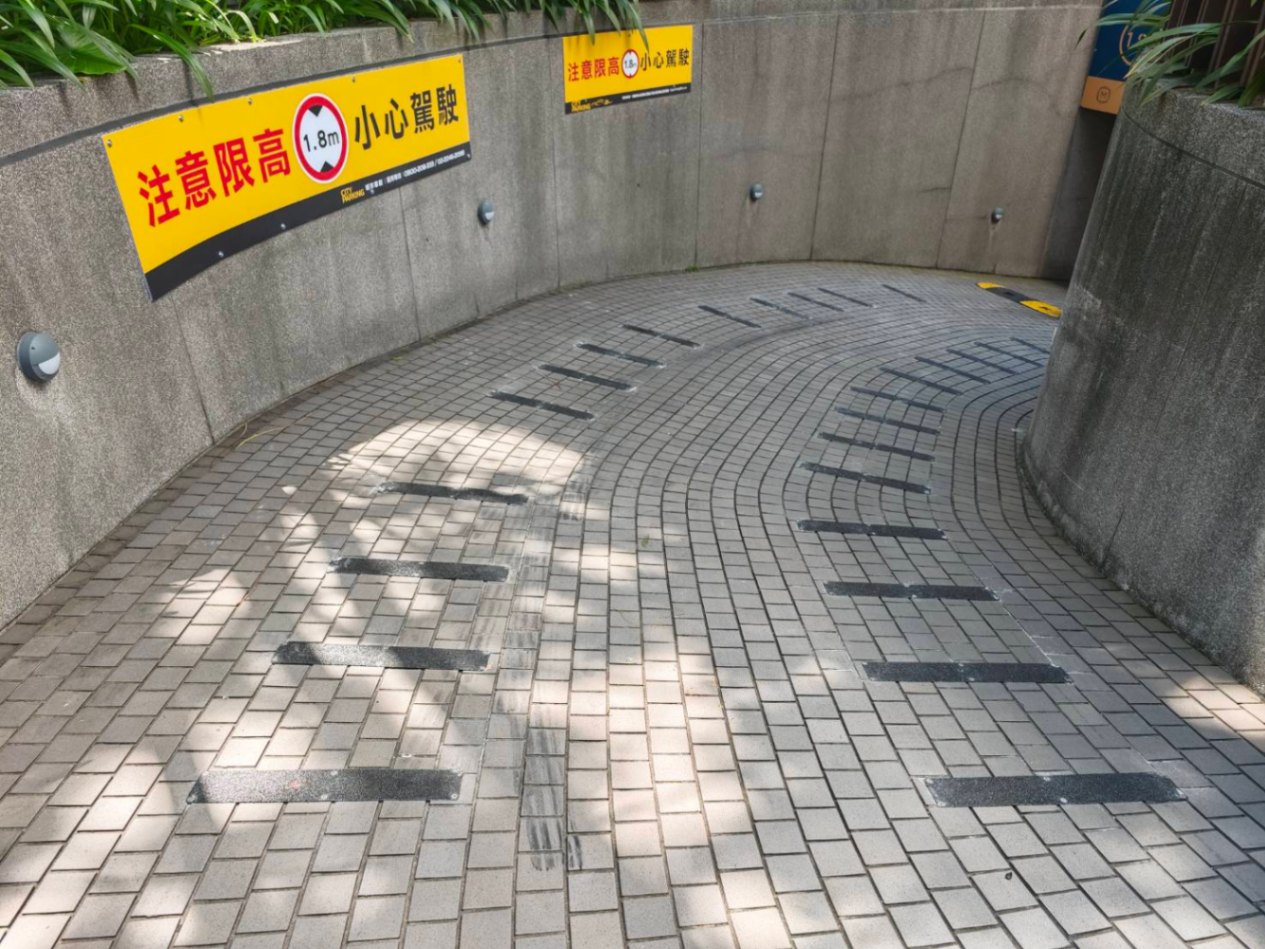
Driveway Ramp and Vehicular Ramp Anti-slip Construction Engineering Technology

Driveway Ramp and Vehicular Ramp Anti-slip Construction Engineering Technology

Rapid Rescue for Single Driveways: Professional Installation Solutions to End Slipping Crises and "No Closure Required"

Basement driveways and pedestrian ramps are areas with the most complex dynamic loads in buildings. Traditional driveways, often paved with tiles for aesthetics, are prone to instant loss of grip when subjected to the braking shear forces of vehicles weighing several tons, or during the precarious balancing acts of motorcyclists on wet, rainy days. This can lead to skidding, loss of control, and even serious accidents and injuries, posing a significant public safety hazard that concerns many community management committees.

However, when facing driveway anti-slip construction, the biggest pain point for communities is often the "period of traffic darkness." Most buildings in Taiwan have only a single driveway entrance/exit. If a method of complete removal and repaving is used, the driveway must be completely closed for 3 to 7 days, halting all resident vehicle access. In practice, it is extremely difficult to reach a consensus to implement this.

With 50 years of experience in Taiwan, Wenly has identified the shortcomings of traditional construction methods and aims to solve these installation challenges. For the high-intensity usage of driveway ramps, we offer professional driveway anti-slip stair nosing installation services, utilizing a specialized anti-slip stair nosing that combines a "high-rigidity metal base with non-directional Silicon Carbide." Its greatest advantage lies in its mature mobile dispatch capabilities, allowing for segmented, rapid installation without the need to fully close the driveway ramp. This eliminates lengthy material curing times, enabling swift reopening to traffic after professional team installation and securing. This solution not only provides powerful tire grip exceeding regulatory standards but also upgrades dangerous slippery slopes to extremely safe, stable driveway ramps with maximum efficiency, all while "minimizing disruption to residents' daily lives."

Project Portfolio Case Studies

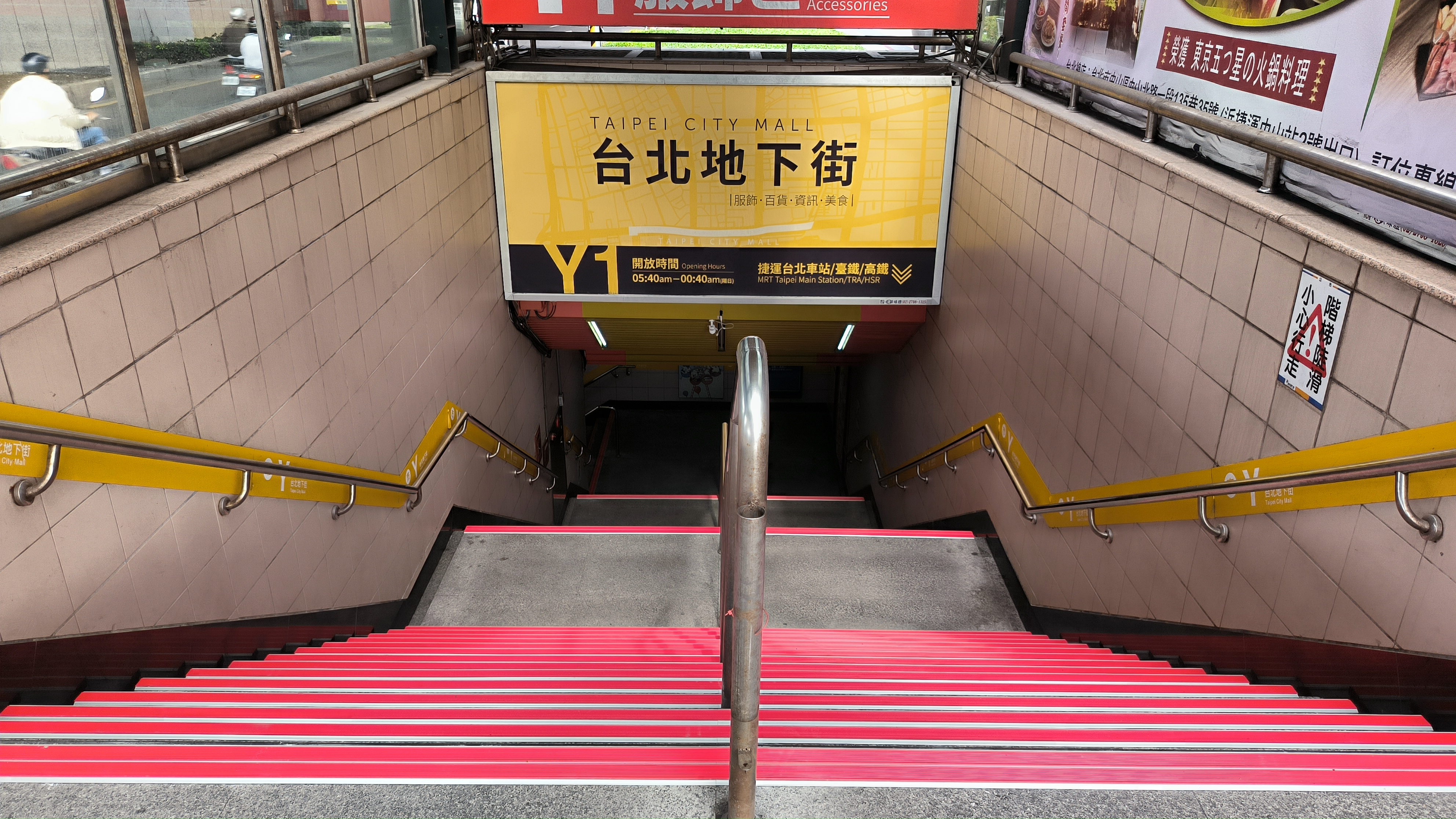
Stair and Barrier-Free Anti-Slip Construction Project Column

Stair and Barrier-Free Anti-Slip Construction Project Column

The Benchmark for Stair and Barrier-Free Space Protection: Professional Solutions for High-Coefficient Anti-Slip and Color-Difference-Free Tactile Indicators

In construction project acceptance and daily use, stairs are often the areas with the highest accident rates. The core issues stem from "insufficient anti-slip coefficient" and "misjudging steps due to visual discrepancies." Concurrently, these are the most common regulatory pain points leading to rejection during accessibility facility inspections for many public buildings and commercial offices.

Many existing staircases, prioritizing aesthetics, utilize smooth tiles or stone. Once the environment becomes humid, their static friction coefficient drops significantly below safety standards. Even more deceptive is the visual illusion created when the stair tread and riser share a single color with no contrast, easily leading to a false sense of depth. Users cannot accurately judge the edge, resulting in severe missteps. To address this, the current "Accessibility Design Code for Buildings.PDF" explicitly and strictly requires (Code 304.3) that the edges of stair treads be treated for slip resistance, with colors that are clearly distinguishable from the tread and are flush. This provides a clear visual warning for the elderly or visually impaired.

With 50 years of deep roots in Taiwan, Wenly understands the complexities of anti-slip challenges. A high-standard stair nosing system is the perfect integration of "physical friction," "regulatory compliance," and "rigorous installation." We provide anti-slip strips for accessible space facilities that comply with regulations, offering you a customized stair nosing installation solution through a standardized anti-slip construction process. We precisely install safe stair nosings that have passed ASTM anti-slip coefficient testing. Our diverse product line ensures excellent grip in all kinds of demanding environments. Furthermore, the distinct contrasting color of the aluminum alloy base design provides precise edge guidance for visual cues. Wenly emphasizes an SOP for high-strength bonding installation, ensuring the firm adhesion of stair nosings to the stair tread not only through adhesives but also by using stainless steel screws. This completely eliminates the risk of detachment while ensuring that the construction unit can smoothly pass accessibility construction and acceptance inspections, building a defense line that balances legality and ultimate safety.

Project portfolio reference

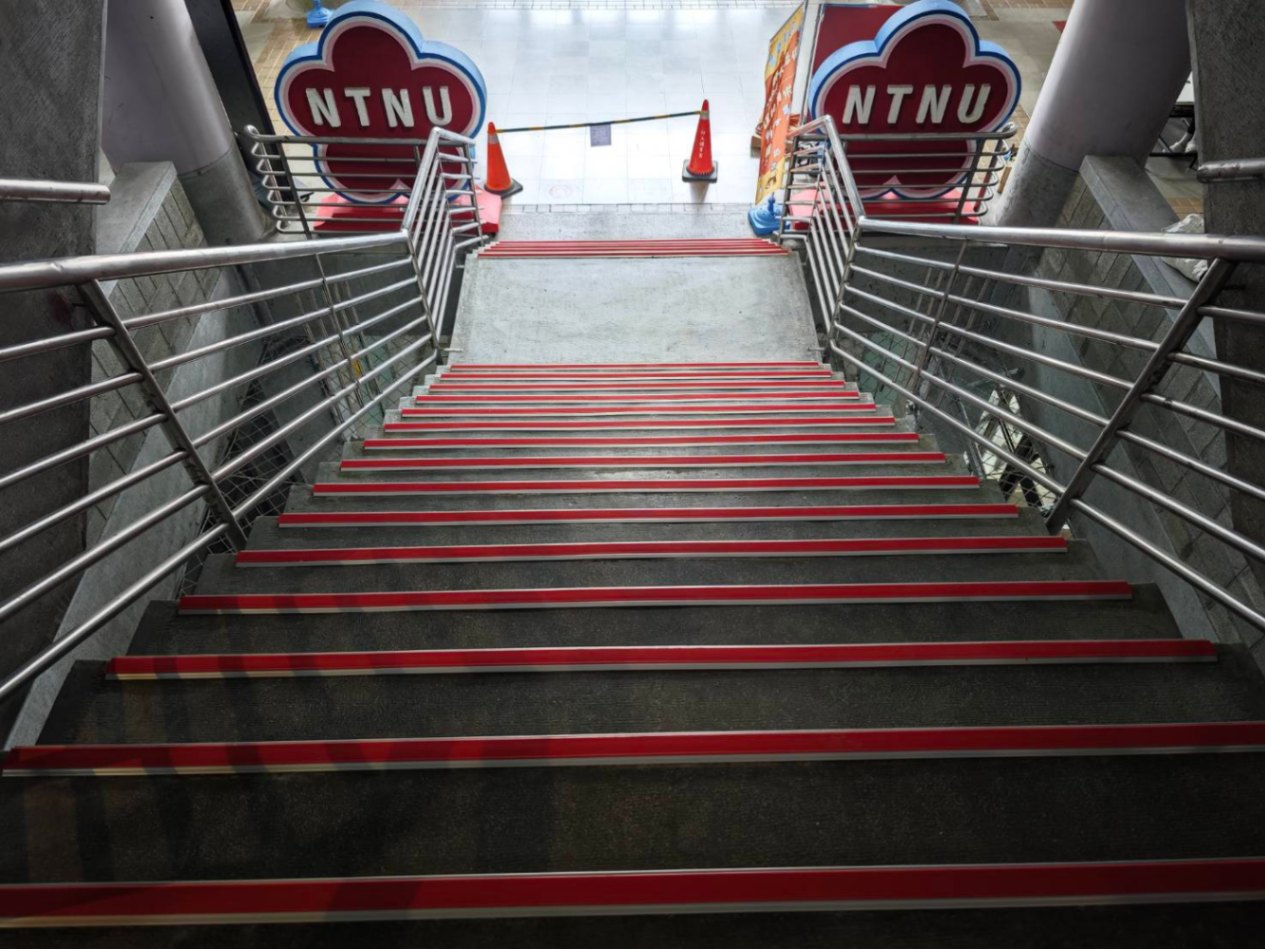
How to Ensure Campus Stair Safety? Technology: Selecting and Installing Stair Nosing for School Stairs

How to Ensure Campus Stair Safety? Technology: Selecting and Installing Stair Nosing for School Stairs

Schools are high-traffic public places with frequent use of stairs, walkways, and ramps by numerous students, teachers, and visitors daily. Therefore, stair slip prevention, tread safety, and overall walking safety are crucial aspects of school building renovations and campus safety improvements. This is especially true during rainy or humid weather, or for outdoor stairs, where tread friction can be compromised. For schools, stair safety protection is not simply about installing a product, but rather requires comprehensive planning that considers the usage environment, stair material, anti-slip material, installation methods, and subsequent maintenance.

1. Which campus areas require anti-slip measures? In addition to staircases in academic buildings, anti-slip engineering for campuses can also be assessed based on the actual environment: indoor and outdoor staircases, playgrounds and campus steps, activity centers, gymnasium staircases, basements and damp areas, accessible ramps, and public high-traffic areas. Among these, outdoor staircases and accessible ramps particularly need to consider rainwater, drainage, weather resistance, and long-term wear.

2. How to choose anti-slip stair nosing for school stairs? When choosing stair nosing, don't just consider appearance or price. First, confirm the usage environment of the stairs and the tread material. Common materials include self-adhesive silicon carbide stair nosing, aluminum stair profiles, silicon carbide stair nosing, and rubber anti-slip strips. Different products vary in wear resistance, anti-slip properties, installation methods, and suitable environments. For instance, school stairs with high foot traffic require special attention to wear caused by long-term use; outdoor stairs should consider sun exposure, rain, and environmental changes. For school renovations or public works, dimensions, fixing methods, and subsequent maintenance needs should also be confirmed during the design phase.

3. What should be considered during the installation of anti-slip stair nosing on school stairs? Before installation, ensure the existing stair tread is level, dry, and free from dust or grease. Select appropriate installation and fixing methods based on the stair material. The installation position of the stair nosing should be consistent to avoid lifting, loosening, or affecting walking. Therefore, anti-slip stair nosing projects for school stairs involve not just product procurement but an overall plan encompassing "site conditions + product specifications + installation method."

4. Public works projects should be planned in advance. If schools are undergoing campus renovation, environmental improvement, or public works projects, it is recommended to incorporate public works stair nosing, stair anti-slip measures, and accessible ramp anti-slip features into the planning phase. Architects, construction companies, and school engineering departments can conduct a comprehensive assessment based on "usage area, tread material, frequency of use, indoor/outdoor environment, anti-slip material, installation method, and subsequent maintenance" to select the most suitable solution for actual needs.

5. The Core of Campus Stair Safety Protection A good stair anti-slip solution not only enhances slip resistance but also considers durability, construction quality, environmental conditions, and long-term maintenance.

【Wenly】 offers stair nosing and related anti-slip products. We provide specification assessments for different campus, public works, and usage environments, assisting schools, architects, construction companies, and engineering units in planning suitable campus stair safety solutions.

Q1: Are stair nosings mandatory for school stairways?

The necessity and type of installation should be evaluated based on the building's intended use, site environment, design requirements, and relevant codes. Actual construction projects should be confirmed by the design and construction units according to site conditions.

Q2: Can general anti-slip strips be used for outdoor school stairs?

You cannot judge solely by the product name. Outdoor environments require consideration of factors such as rain, sun exposure, temperature changes, wear, and the installation substrate. Therefore, you should select materials and installation methods suitable for outdoor environments.

Q3: Are silicon carbide stair nosings suitable for school staircases?

Silicon Carbide stair nosing products offer high surface friction characteristics, but their suitability still requires evaluation based on stair material, usage frequency, installation method, and environmental conditions.

Q4: Can stair nosing projects for school campuses be customized?

If your project has special requirements for dimensions, materials, colors, installation methods, or if you have bulk purchase needs, please call us or leave a message for OEM/custom manufacturing solutions.

Completed projects case studies

What is an Anti-Slip Tape?

Anti-slip tape (also called non-slip tape) is a safety building material installed on stairs, ramps, walkways, and other slip-prone areas. Using high-friction surfaces made of carborundum, aluminum alloy, rubber, and other materials, it effectively increases floor traction and prevents slip-and-fall accidents. Founded in 1974, Wenly Anti-Slip (Chianshih Enterprise) is Taiwan's first professional anti-slip tape factory, with 50 years of product development and engineering expertise. Our products are certified by SGS, the Plastics Industry Development Center, and Intertek, ensuring maximum protection in all environments (indoor, outdoor, wet, oily). Anti-slip tapes are widely used in public infrastructure (high-speed rail stations, metro stations, train stations), healthcare facilities (NTU Hospital), tech factories (TSMC), commercial buildings, schools, and residential spaces. Choosing high-quality anti-slip tape is not just about regulatory compliance—it is about taking responsibility for the safety of every user.

How to Choose the Right Anti-Slip Tape?

Key considerations include: 1) Environment — indoor or outdoor? Exposure to water, oil, or chemicals? 2) Foot traffic — high-traffic public areas require more wear-resistant materials (e.g., aluminum alloy carborundum tapes); 3) Surface type — tiles, concrete, marble, and wood floors each need compatible adhesion solutions; 4) Regulatory standards — compliance with building codes and accessibility regulations. Wenly Anti-Slip offers a full product range, from carborundum stair tread tapes and aluminum alloy heavy-duty tapes to PVC edge trims, meeting every site requirement. Our interactive selection guide helps you quickly find the most suitable product.

Frequently Asked Questions

Q1 What are the main anti-slip methods and materials currently available on the market?

Answer:• Material Classification: Generally, anti-slip effectiveness is ranked by coefficient of friction as follows: Silicon Carbide (Carborundum) > Rubber/PVC > Aluminum. • Installation Methods: o Install…

Q2 Are stair nosing suitable for all stair materials?

Answer:• Evaluation Focus: The primary consideration is the usage environment (indoor or outdoor) and the anti-slip requirement, rather than the surface material. • Material Recommendations: o Silicon Carbi…

Q3 Why do stair nosings need to be clearly distinguished between indoor and outdoor models?

Answer:• Environmental Stress: Indoor environments are stable, with designs focusing on aesthetics and tactile feel; outdoor areas must withstand year-round rain, strong UV radiation, and temperature fluctua…

Q4 What are the main differences between commercially available products and "Wenly anti-slip stair nosing"?

Answer:• Design Risks: Many commercially available stair nosing products do not consider long-term safety or use less rigorous material selection, leading to a short service life and a lack of dedicated afte…

Q5 Have Wenly stair nosing products passed professional inspection?

Answer:• Authoritative Reports: Yes, Wenly can provide various specification inspection reports according to customer requirements. • Testing Institutions: We have long-term partnerships with authoritative i…

Q6 Is the Silicon Carbide (Carborundum) adhesive stair nosing prone to detachment?

Answer:• Brand Recognition: Please recognize 【Wenly】. Products on the market vary in quality. Non-professional manufacturers often encounter issues such as sand surface peeling or inadequate adhesive on the …

Key Terminology

Anti-Slip Tape (止滑條)
A safety building material installed on stair edges and floor surfaces to increase friction and prevent slipping. Wenly uses carborundum (silicon carbide) particles bonded to weather-resistant substrates, achieving a friction coefficient of up to 1.1 (SGS certified).
Coefficient of Friction (COF)
A measure of slip resistance. Higher values indicate better grip. Wenly products achieve COF ≥ 1.1 under ASTM standards, far exceeding the 0.5 minimum for safety flooring.

Certifications & Authority